
Workshop
Responsible AI for product teams
A practical session focused on where model choices, policy, and product decisions meet.
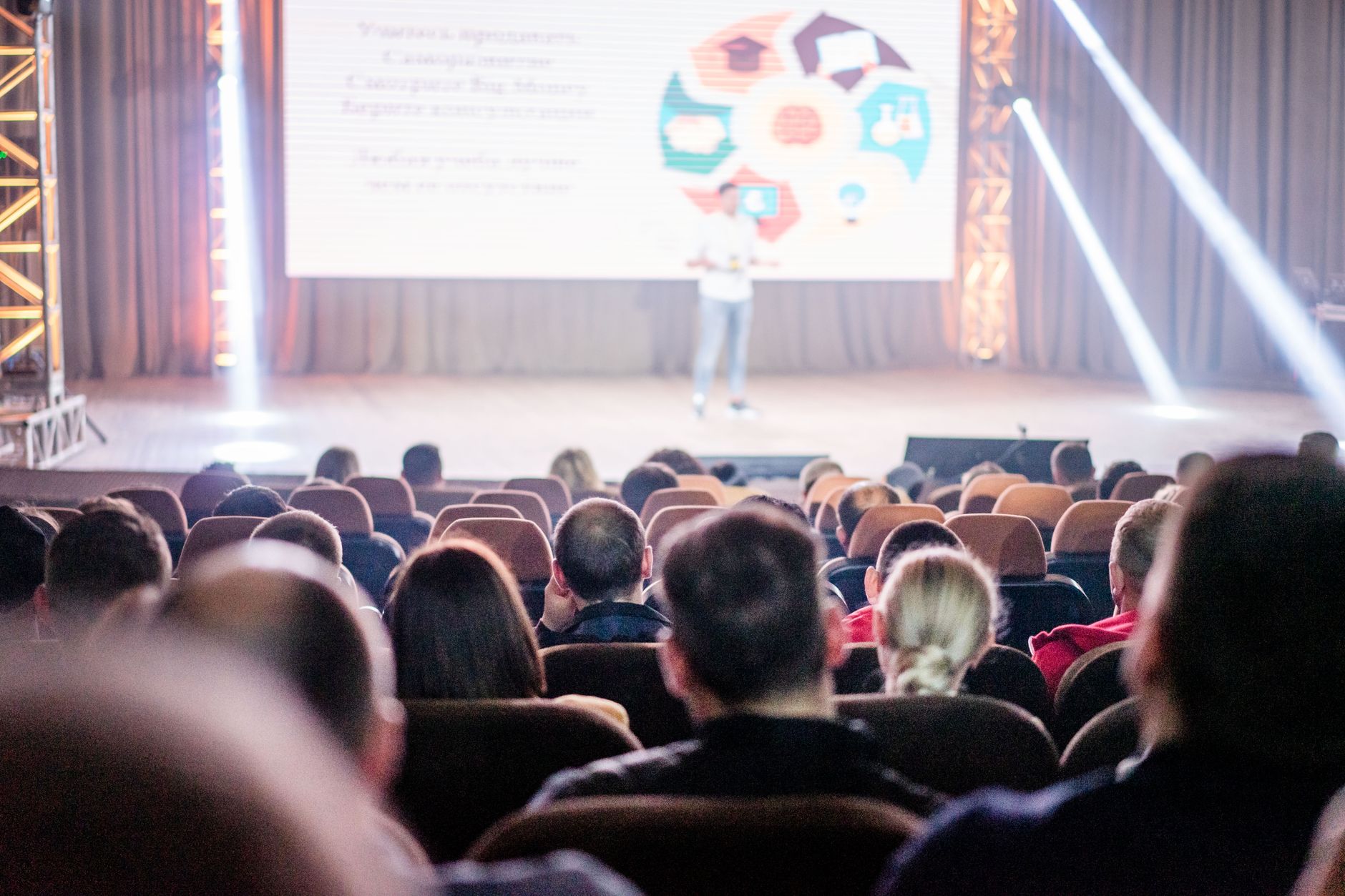
A closer look at the talks, workshops, articles, and advisory work Dr. Ananya Rao has used to help technology leaders and learning communities make practical decisions about AI.
Overview
Dr. Ananya Rao’s work brings responsible AI into rooms where the decisions matter: classrooms, conference stages, product teams, and research conversations. Each format is shaped to the audience, but the aim stays the same — useful understanding, grounded language, and practical next steps.
Speaking
Her talks are designed for leaders, educators, and builders who need a concise account of what responsible AI means in practice — without jargon, panic, or empty optimism.

Teaching
From executive briefings to classroom sessions, the format adapts to the audience without losing rigor. Participants leave with a shared vocabulary and a concrete framework for asking better questions.
Writing
Her research and technical writing translate emerging ideas into clear notes that teams can revisit when they need precision rather than a hot take.
Engagements
The work spans live speaking, hands-on teaching, and advisory conversations. Each format is shaped around the audience’s context and the outcome they need — whether that is a keynote, a workshop, a written brief, or practical guidance for a product team.
Speaking
A clear, audience-ready introduction to responsible AI and why it matters now.
Workshops
Practical facilitation for teams that want a shared vocabulary and a usable framework.
Writing
Technical writing that keeps the nuance while staying accessible to mixed audiences.
Advisory
Thoughtful input for early-stage teams working through responsible AI decisions.
Selected work
These examples show the range of the work: some are written pieces, some are live sessions, and some are advisory touchpoints. Together they reflect the same practice — careful explanation, practical relevance, and respect for the audience’s time.
Workshop
A practical session focused on where model choices, policy, and product decisions meet.
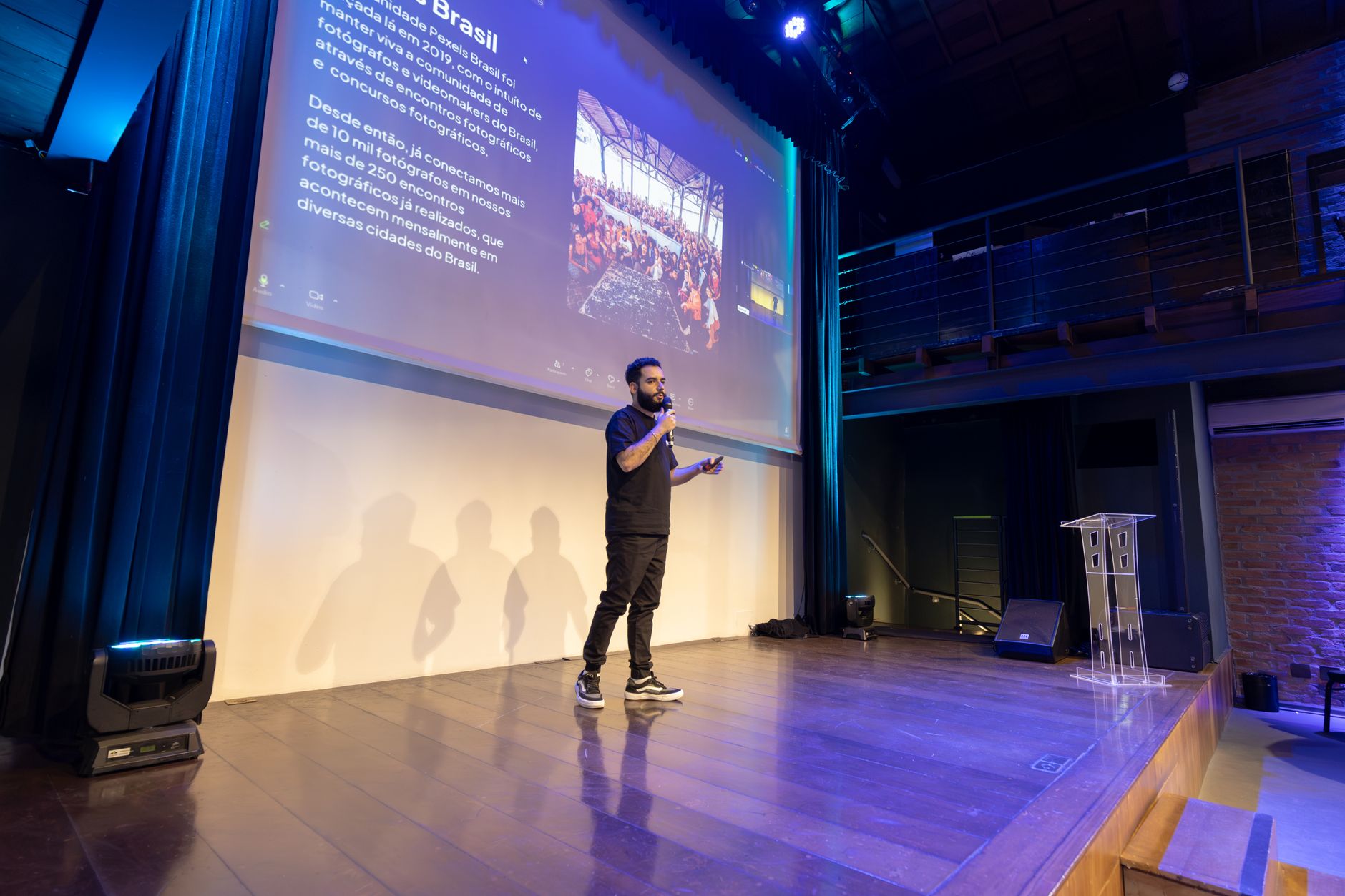
Talk
A stage talk that gives non-specialists a clear view of the decisions behind the headlines.

Writing
Shorter-form research writing that helps teams navigate responsible deployment choices.
Impact
The numbers below represent the breadth of the work, not hype. They describe the steady mix of live teaching, public speaking, writing, and advisory support that makes the practice useful to both specialists and broader audiences.
Practice
Whether the brief is a keynote, a workshop, or an advisory conversation, the process stays focused and low-friction. The goal is to meet the room where it is and return with something practical.
Start with the context: who is in the room, what they already know, and what decision they need to make better after the session.
Choose the right balance of talk, examples, discussion, and exercises so the session fits the setting and the time available.
The session ends with plain-language takeaways the audience can put to use immediately in their own work.
Insight
The articles and notes below are part of the same practice as the talks and workshops. They extend the conversation for teams who want a careful, readable reference after the room has gone quiet.

Research note
A concise checklist for product and policy conversations that need to stay grounded.

Teaching note
An approach for educators and internal trainers who need clarity without oversimplification.
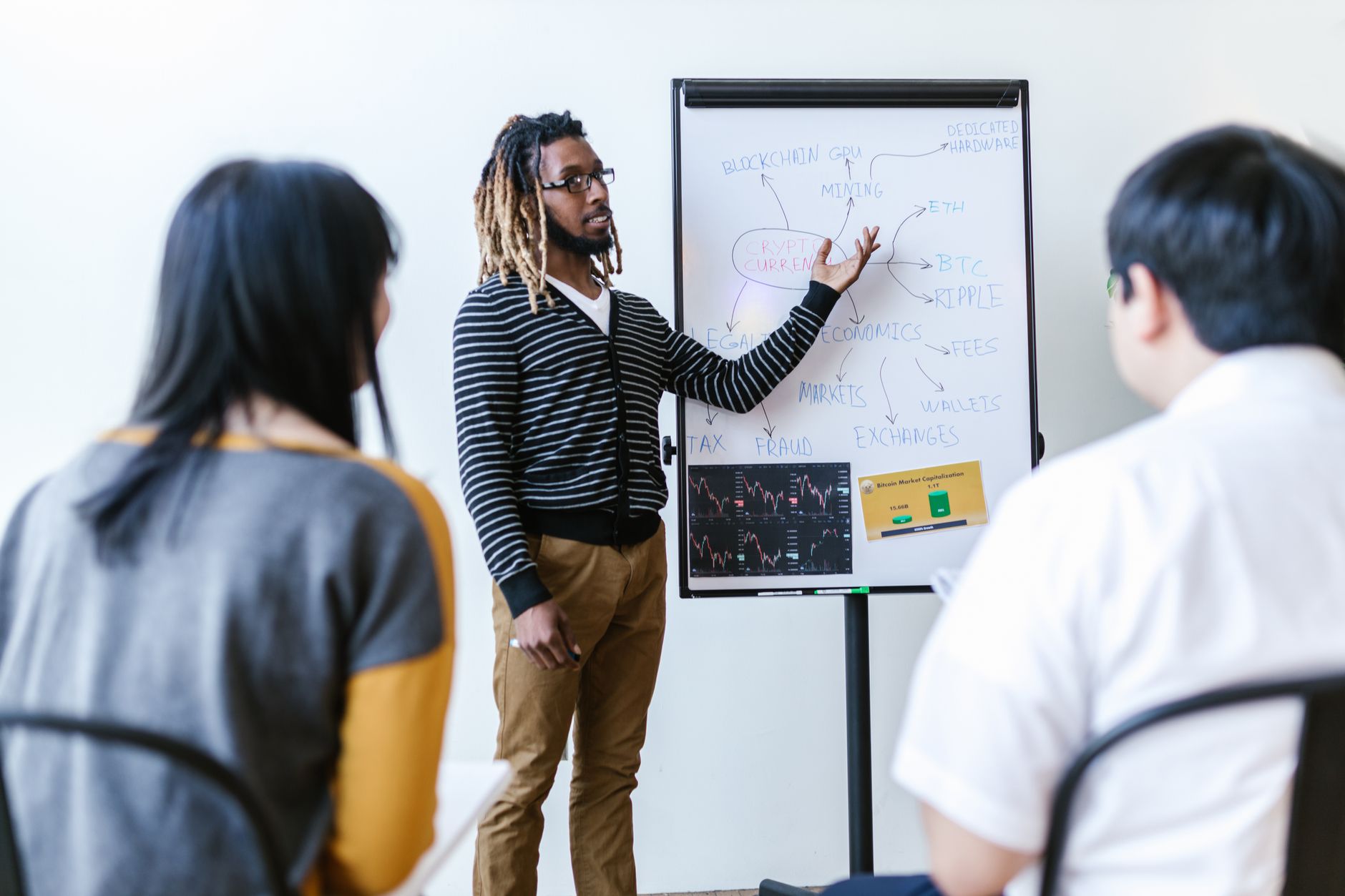
Technical article
A practical view of how teams can build checks and language into everyday decisions.
Closing CTA
If your audience needs a calm, rigorous conversation about responsible AI, start the inquiry here. The team will follow up with the next step.
Audience
Leaders and learners
Focus
Responsible AI
Primary action
Invite for speaking engagement